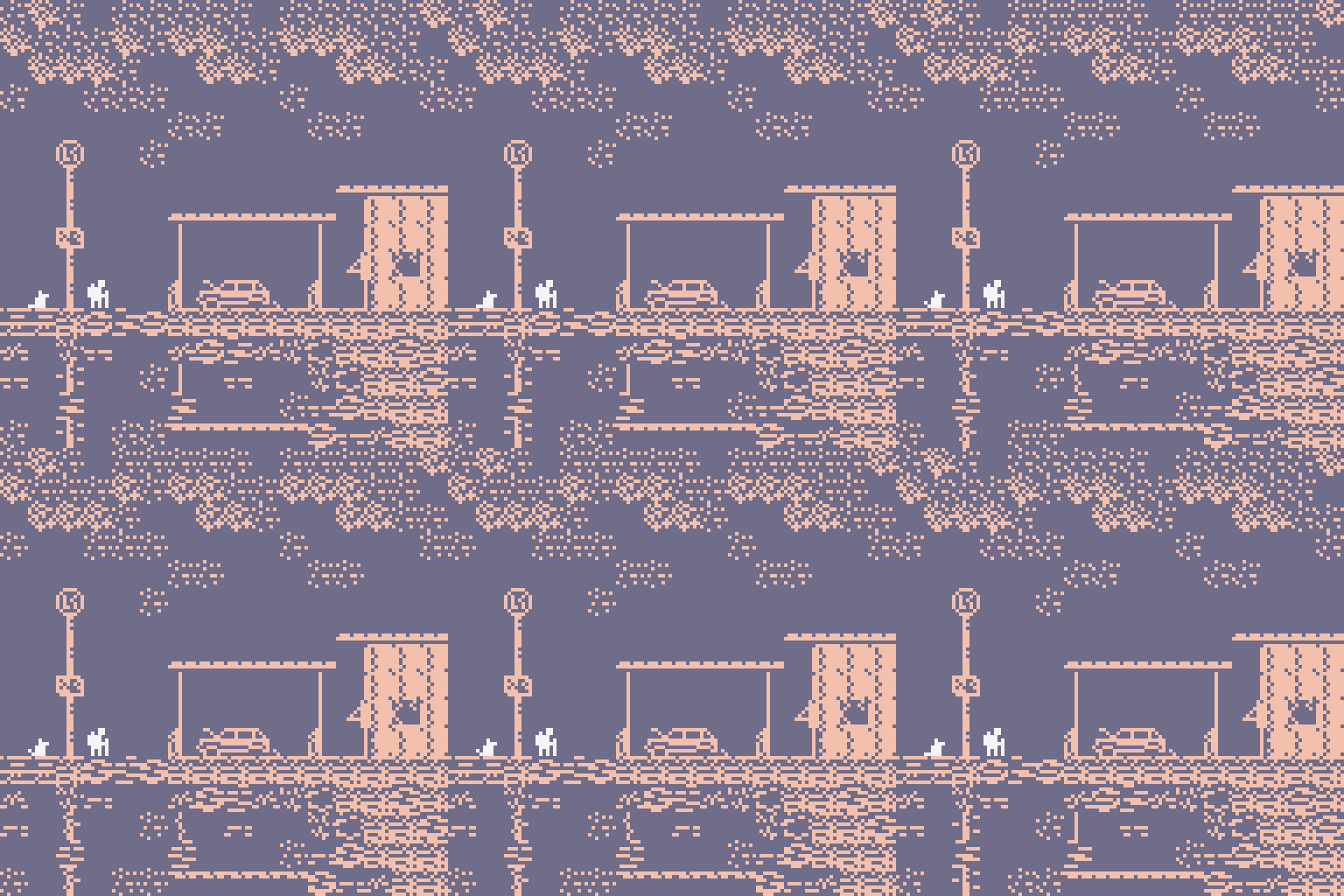
Today I’m releasing Scavenger Suite, an adventure game about two companions wandering a desolate countryside. I’ve written two behind-the-scenes devlogs about my process of making the game, and I'd like to look back over the game as a whole now that I've finished it.
This post will serve as an informal game design document. I will go into depth about the influences and inspiration behind the game, my intentions and what I accomplished with it, and details on the major themes, art, music, and environments. This post contains mild spoilers about the general content and events in the game.
I have also written a thorough walkthrough and commentary which contains heavy spoilers. I suggest playing the game before reading!
Overview
In Scavenger Suite, you alternate play between a human traveler and dog companion on a journey through an abandoned rural area. The setting may be assumed to be post-apocalyptic, though no specific cataclysm is referenced.
Gameplay is mainly exploration, with a third-person perspective that shifts between top-down, zoomed-out “map” views of each region and more detailed, zoomed-in areas that resemble a side-scroller view. Light puzzle-solving involves scavenging for useful supplies and navigating environmental hazards such as the river, rain, and flooded areas. There are no enemies, and no human NPCs whatsoever.
The story is linear––the game will guide the player through the same story on each play-through––but the player may visit areas within each region in any order they choose. This allows for a slightly more open-world feel, and hopefully gives the player a sense of agency in their adventure. How you choose to interact with things has a minor effect on the dialogue and some of the scenes. The soundtrack also figures into the game’s non-linear features; since different songs are triggered by location, you are curating the soundtrack based on your decision to linger or visit a new location. So depending on where you go and when, you can get a slightly different experience on each play-through.
I made the game using Bitsy, a free engine/editor for making small HTML games. I used David Mowatt’s BitsyMuse hack and Candle’s BitsyMuse UI to implement the music and sound. Everything else was done with Bitsy’s built-in UI, which I have learned you can do quite a lot with. You can read more about my game-making process in the devlogs. The game took me a little over a year to make from start to finish. It takes about 15 minutes to play.
Inspiration and Influences
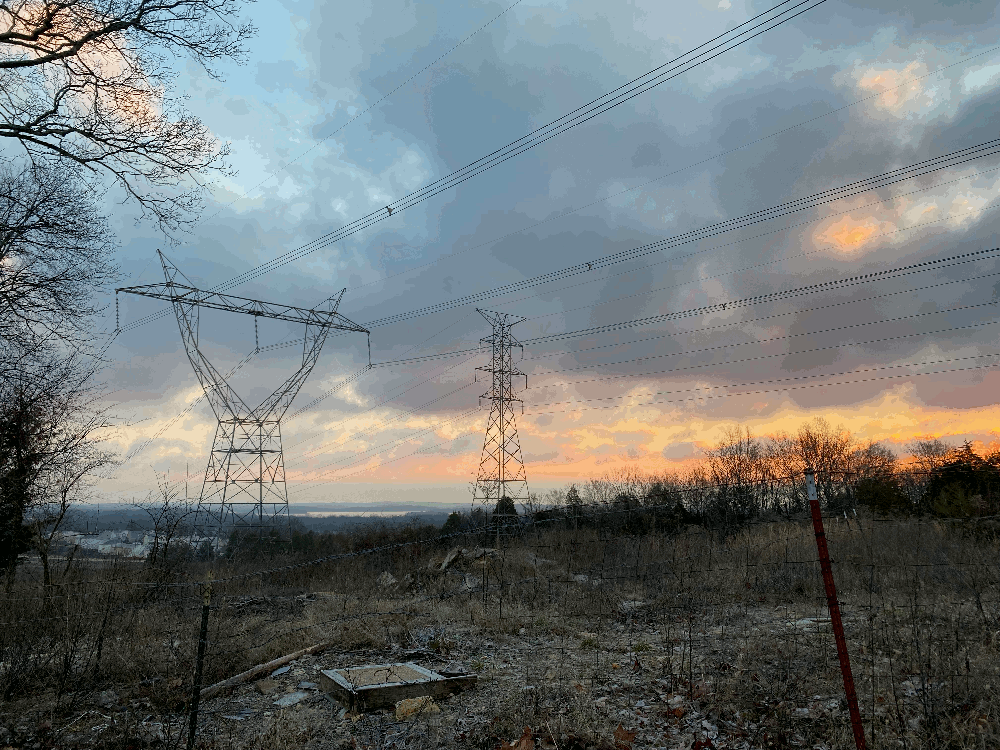
The initial idea for what would become Scavenger Suite came to me while taking my dog for walks in the wintertime. A quiet neighborhood on a midwinter morning can feel somewhat dormant and uninhabited, and I have always enjoyed the fantasy of what you might call a leisurely apocalypse: an empty world to wander through, without any of the real-world stakes. This is why I am drawn to exploration games, or rest areas and exploration areas within more suspenseful games, or video games in general––for what is a video game if not an empty world to wander through?
Post-apocalyptic worlds, with their various degrees of horror, have always had a hold on me (horror can provide catharsis by activating intense emotions within a safe context, playing video games can provide catharsis by activating whatever it is in my brain that loves having problems to solve, therefore horror video games are the most cathartic form of entertainment). The Last Of Us Part II (Naughty Dog, 2020) has been my favorite thing of this genre in recent memory, and its atmospheric settings certainly inspired me to try making something deeply atmospheric. Cormac McCarthy’s 2006 novel The Road had a long-standing effect on my writing and what I think of when I think of post-apocalyptic literature. It also takes place in rural areas of the southern United States, the setting with which I’m most familiar and which inspired many of the locations in Scavenger Suite.
Apart from those two popular (too popular?) influences, several games stand out as directly influential in my approach to making an exploration game. Hinterland Studios’ 2017 survival game The Long Dark is an obvious one (they coined the tagline “the quiet apocalypse,” after all). The game has a story mode, but the developer first released a sandbox/survival mode as an early access version of the game in 2014, and have faithfully maintained it since. Playing Survival Mode on Pilgrim difficulty will get you exactly the kind of low-stakes empty world fantasy that I was talking about before. Exploration is a luxury in this mode. Without needing to worry so much about freezing to death or being attacked by wildlife, you can take your time outdoors, sleep under the stars and carefully map the world. You can also choose to play with intensely high stakes on the more extreme difficulties, in which case exploration becomes a necessity. With scarcer resources and dangerous environments, you don’t have the privilege to stay in one place for very long or linger with sightseeing. The Long Dark taught me that exploration can play a focal yet widely variable role based on the constraints under which the player has been placed (or has chosen for themselves).
Ed Key and David Kanaga’s Proteus (2013) was another early influence which I revisited recently, on New Year’s Eve. I like to play this game on New Year’s Eve, whenever I have the chance. It has a core theme of seasonal cycles, ending with (spoiler) a celestial ascension in the dead of a winter’s night. So I mean, yeah. Seems obvious to me. Scavenger Suite has nothing to do with New Year’s Eve or seasons really, but it does have to do with music, and Proteus has a lot to do with music. David Kanaga composed the music for Proteus and designed different sounds for each object in the world that harmonize with one another, so that you hear a unique soundtrack based on how you move through the world, where you go and what you interact with. It’s really incredible and you should play it if you haven’t yet. I did not have the ambition to make anything so impressive as Proteus, but I had its sound design in mind when thinking about how I wanted to place music in Scavenger Suite.
Last year I finally finished a whole play-through of Kentucky Route Zero (Cardboard Computer, 2013-2020), a game which made me pay a lot more attention to the intersection of theatre, poetry and video games. Dialogue and narration are core gameplay mechanics in KRZ. Much of the dialogue is comprised of multiple-choice selections that the player can make to decide what a character (or a stage direction) says next. By stringing together each series of phrases, the player essentially plays the game by composing poems. Like Proteus, KRZ presents a game in which the player’s choices effect a unique experience on each play-through, within the parameters of a linear narrative. (I would venture to propose that all video games offer this to some degree, and that it is what sets video games apart as a form of artistic expression, and why it is important to experience games and other art forms, whenever possible, by interacting with or playing them, and that there is something within this direct interaction that cannot be reproduced by watching or reading or otherwise ingesting someone else’s experience of something, and that is all I will say about it today.) KRZ had a serious impact on how I approached writing the character dialogue in Scavenger Suite. While there is no multiple choice involved, there are many small bits of dialogue scattered throughout the game, some of which may only be accessed by revisiting a location or object or wandering the map. These serve no crucial purpose but to give the character a moment of brief reflection, sometimes waxing poetic or humorous. I think this was a direct result of playing through Kentucky Route Zero and seeing how even sparse dialogue can be used in poetic ways that lend to the narrative voice of the game.
Other games that had an impact on me were The Chinese Room’s Dear Esther (2012) and Everybody’s Gone To The Rapture (2015), as well as Giant Sparrow’s What Remains of Edith Finch (2017). These first-person, exploration-based games also feature strong atmospheric settings and utilize an open-world feel that highlights the player’s experience while following a linear narrative.
Intentions
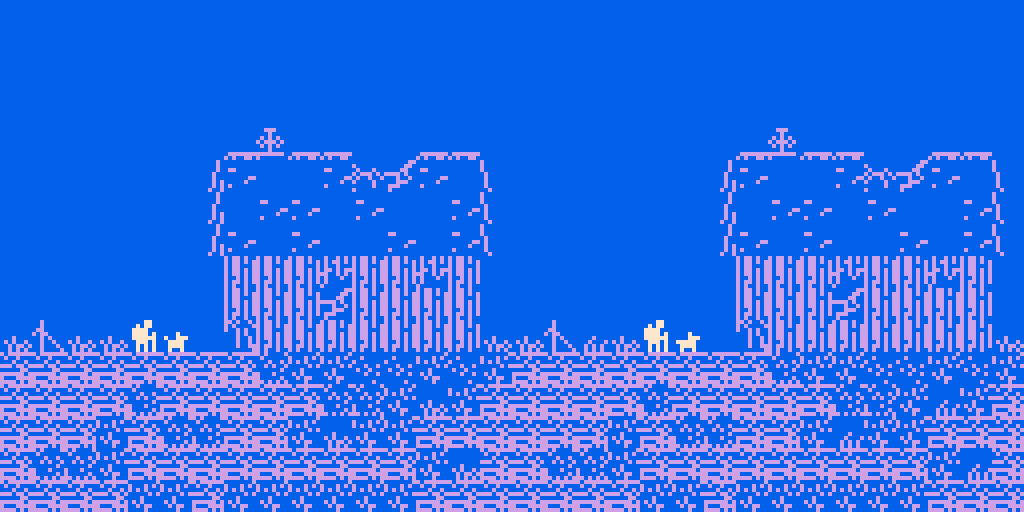
From the outset, my intention with Scavenger Suite was to make a small-scale version of an exploration game with a melancholy atmosphere. I wanted the player to be able to wander an overgrown, empty town, switching between a top-down map view of the area and a close-up detailed view of interior locations. Initial ideas involved ghosts and flashbacks of the town in its former glory (I still kind of like this idea, so maybe I will use it for something else one day). I wasn’t sure how I wanted to use items in the game, but I knew I wanted scavenging to figure into the gameplay, hence the name.
After some more brainstorming, I decided to include a dog companion and give the player an ability to switch between characters in order to access different parts of each location. This ultimately steered the story in a definitive direction, and the relationship between the characters became central to the heart of the game.
I will say that it’s hard to write a dog story that doesn’t feel at least a little bit like all the other dog stories. I will also say that over the course of making this game, I experienced the loss of my own dog due to unforeseen terminal illness. More on that later. I think that themes of unforeseen loss, and what you value as a result of it, are pretty resonant across the board, and it makes sense that these themes show up in most stories about dog and human friendship.
Music
The soundtrack was to be an important feature of the game (also hence the name). While trying to get a feel for how I wanted the music to sound, I dredged up a handful of instrumental songs I’d made between 10 and 15 years ago, and listened to them on repeat. Though I’d figured I would compose new music for the game, the old songs became inseparable from the game in my mind and I found I liked them together quite a lot.
Having never used BitsyMuse before, I did not know to what extent I would be able to implement music cues. At first I thought I would have to make one long, continuous track that evolved slowly based on the average time it took to play through areas of the game. I was pleasantly surprised by how easy it was to use BitsyMuse with Candle’s UI to trigger different songs in different areas. This allowed me to place the 8 original songs from my playlist (and a rain sound effect track from ZapSplat) in exactly the scenes I wanted them. I only ended up recording two short reprises that are under a minute long to fit into transitional scenes, the rest are the old songs.
I still had to make some adjustments to those songs for them to feel cohesive with the scenes, and a few tracks were shortened considerably for the game. Ideally, the player will spend enough time in a given location to allow its background music to play through before moving into a scene that will trigger the next song. It’s not perfect, particularly in Day 1, but I think it works okay as long as you’re not trying to speed-run the game. Day 2 sounds much smoother, in part because there are fewer tracks and they are set to loop. There are instances in Day 2 where I wanted the music or sound to cut abruptly, as it fits with the more cinematic parts. So it works a little better in the latter half.
I’m simultaneously releasing the soundtrack with the full versions of the 8 original songs on my Bandcamp, you can download it for $1 or more.
Art
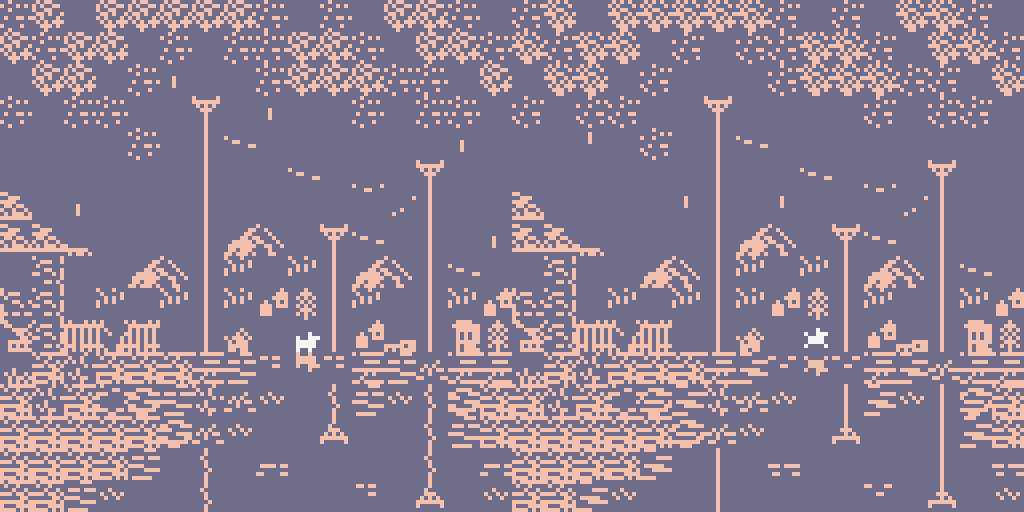
All game art was made with Bitsy’s built-in editor. I don’t consider myself a pixel artist, and every game I make with Bitsy has been a learning experience in visual communication. I made each scene for Scavenger Suite in more or less chronological order, so the art and gameplay naturally evolve as the game progresses.
I did return to the earlier scenes to make adjustments after completing the finale, but it wasn’t anything major. Example: the first house you visit in the Prelude section originally had a cutaway of the basement visible before you’d gone underground.
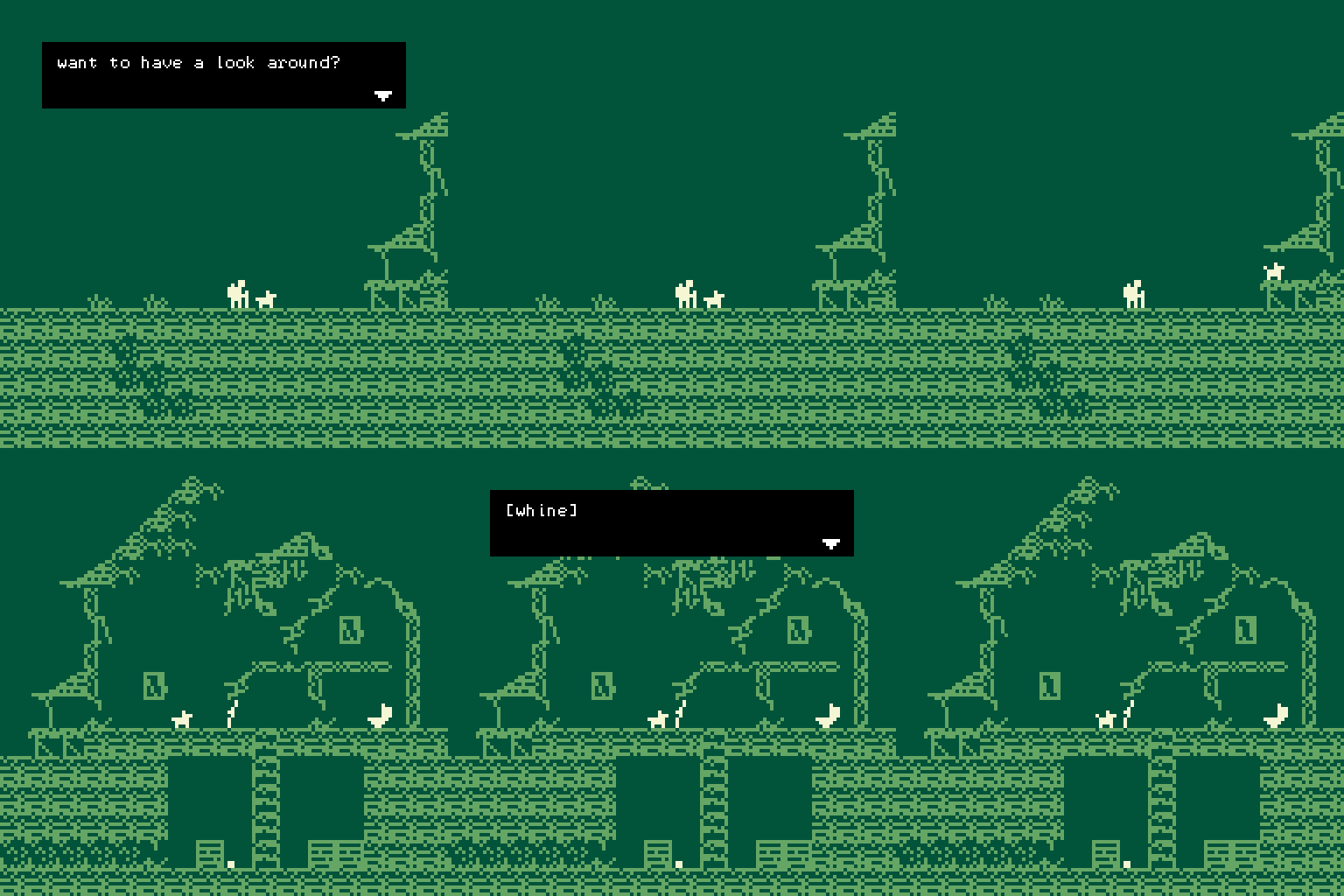
early gameplay example
I thought, when I started making the game, that the player would use visual clues like this to figure out more navigation-based puzzles for getting into buildings and locked rooms. Ultimately, it became a different sort of game with fewer puzzles than I’d imagined, and the visuals grew more congruent with what the characters would realistically be able to see in areas as they discovered them.
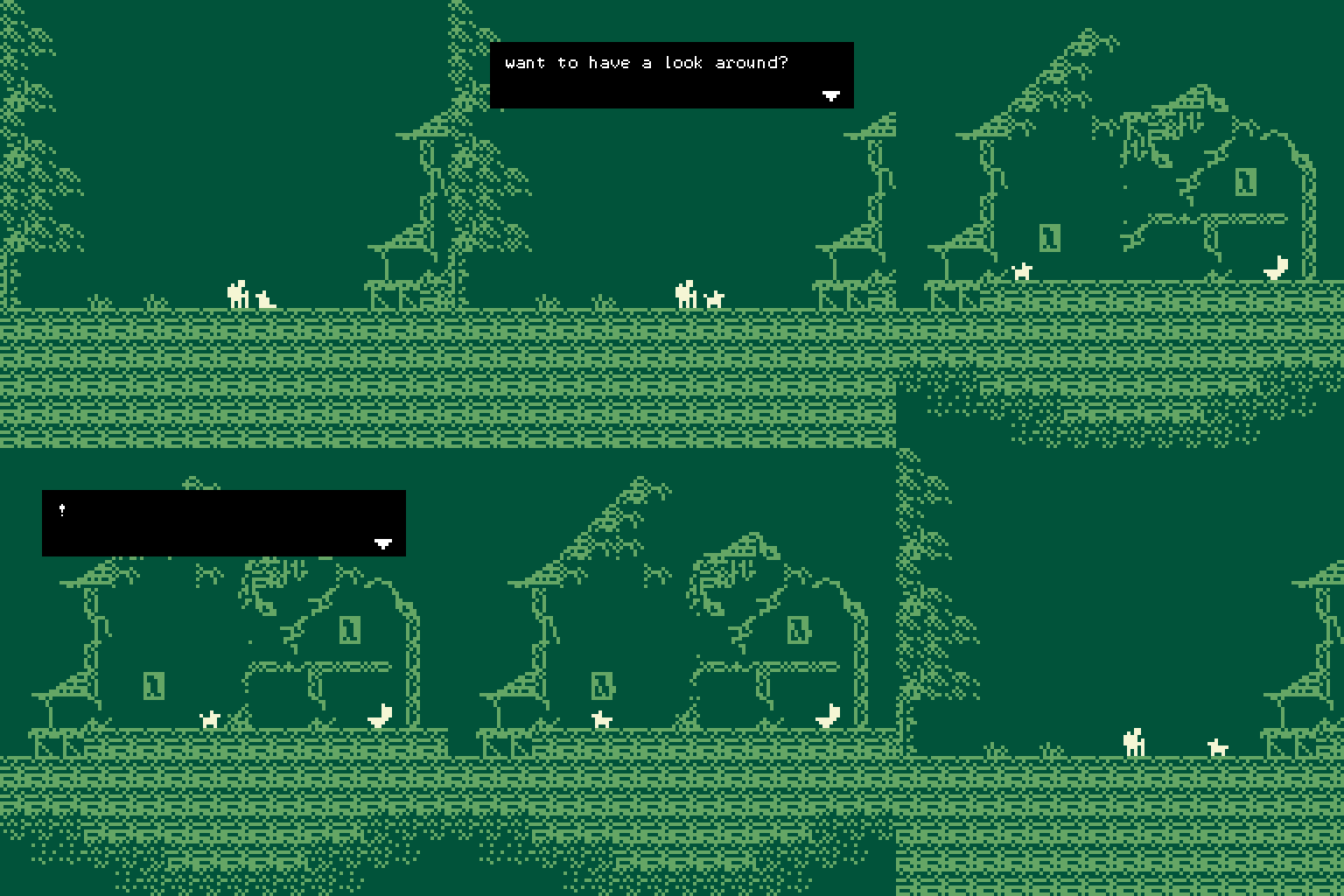
finished gameplay example
The avatar and sprite changes also grew more complex as I learned new techniques. I did not want to use a directional avatar hack (additional code that would allow the arrow keys to control which direction the avatar faces), as it would conflict with how I use avatar direction to guide the player through the more linear sections of the game. Implementing the direction changes was rather meticulous but felt very rewarding when I got it right.
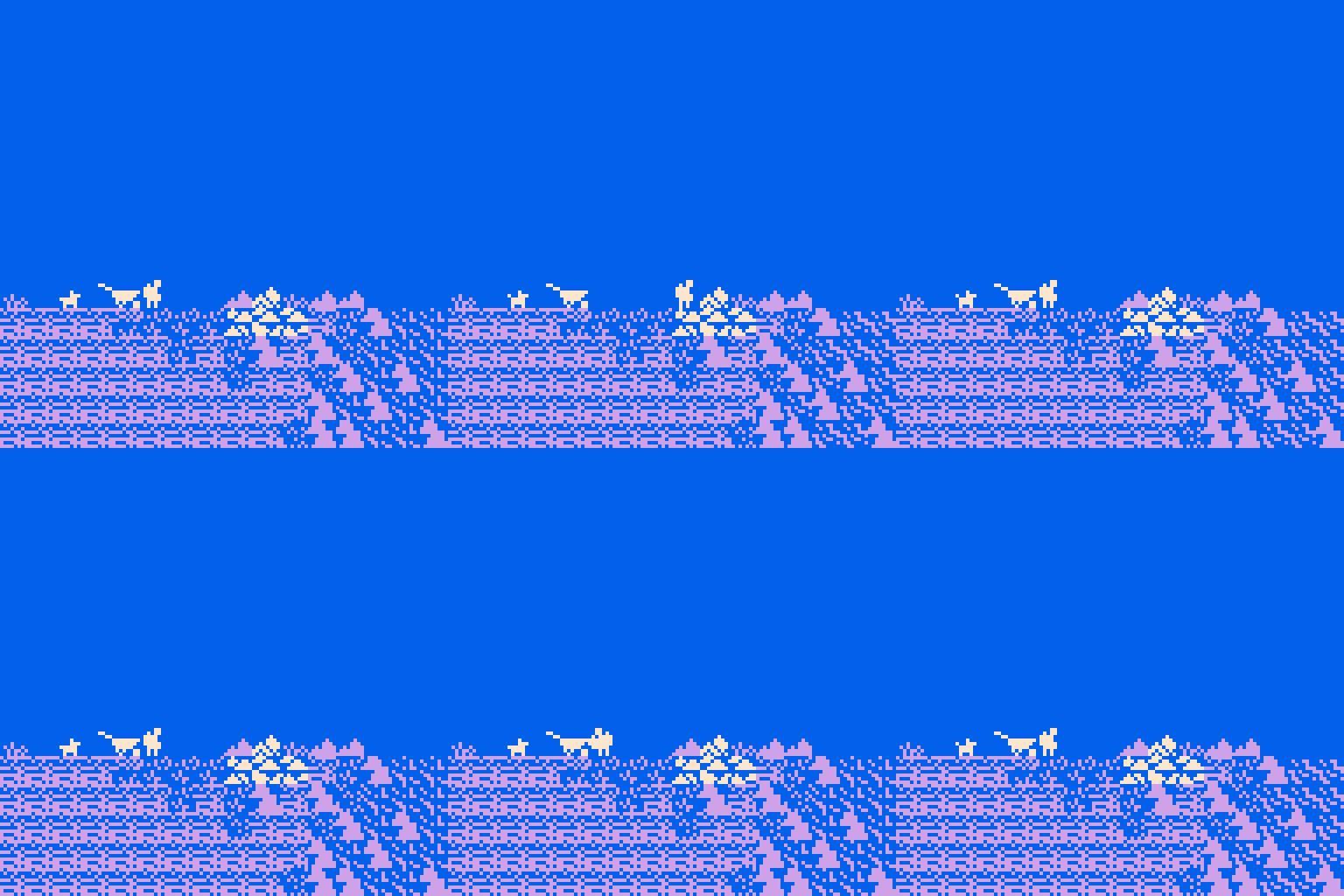
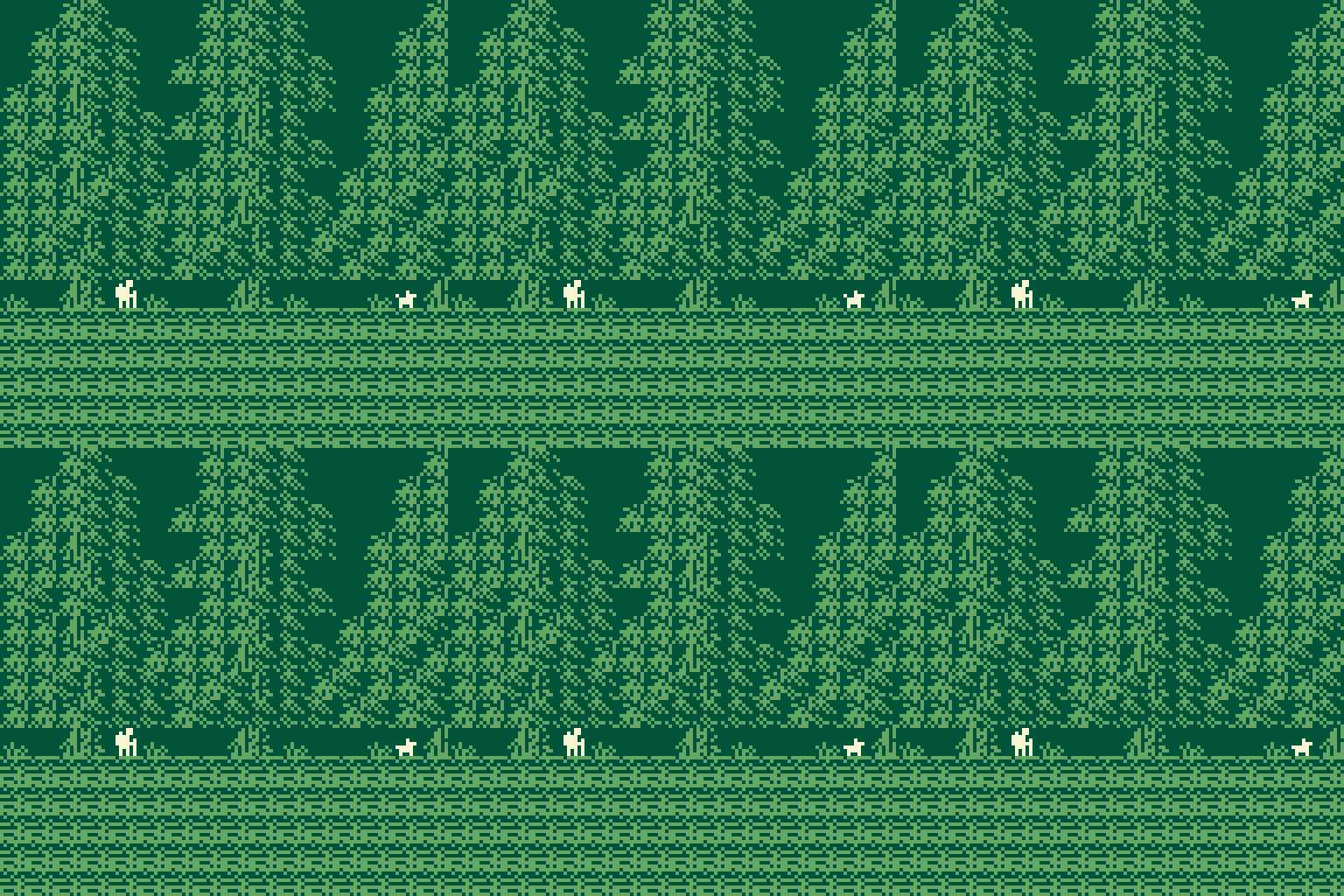
The color palettes and general scenery (minus the mountain ranges, which look more western than Appalachian to me) were inspired by my own surroundings in my neighborhood and rural/natural areas of my home state. I paid particular attention to how light and shadows look in the wintertime here. There are a lot of pastels and muted tones in the winter, but I tend to see richer blues and purples in the shadows during these months, which contrast nicely with the dusky pink, yellow and faded grey-green-brown of the bare trees. Winter can also make for some spectacular sunsets (when cloudy) and night skies (when clear).
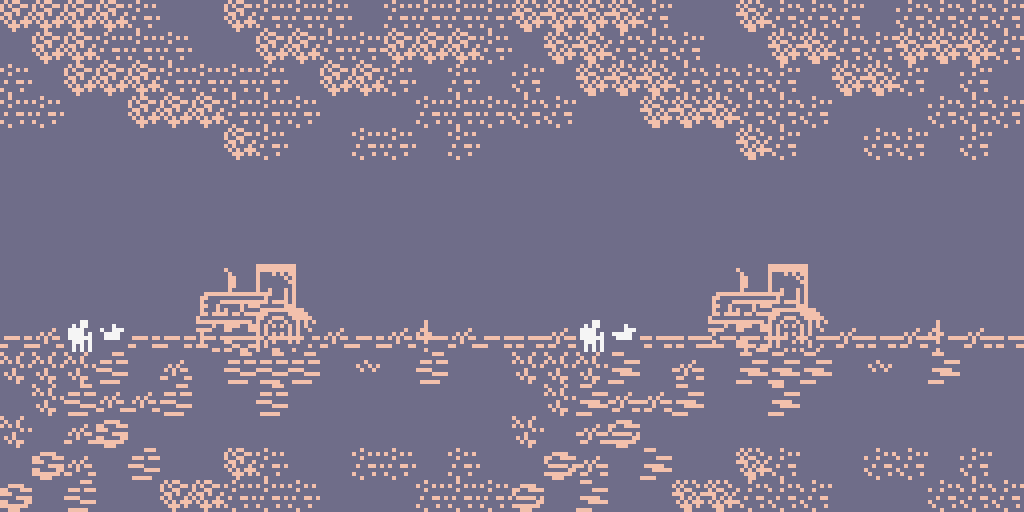
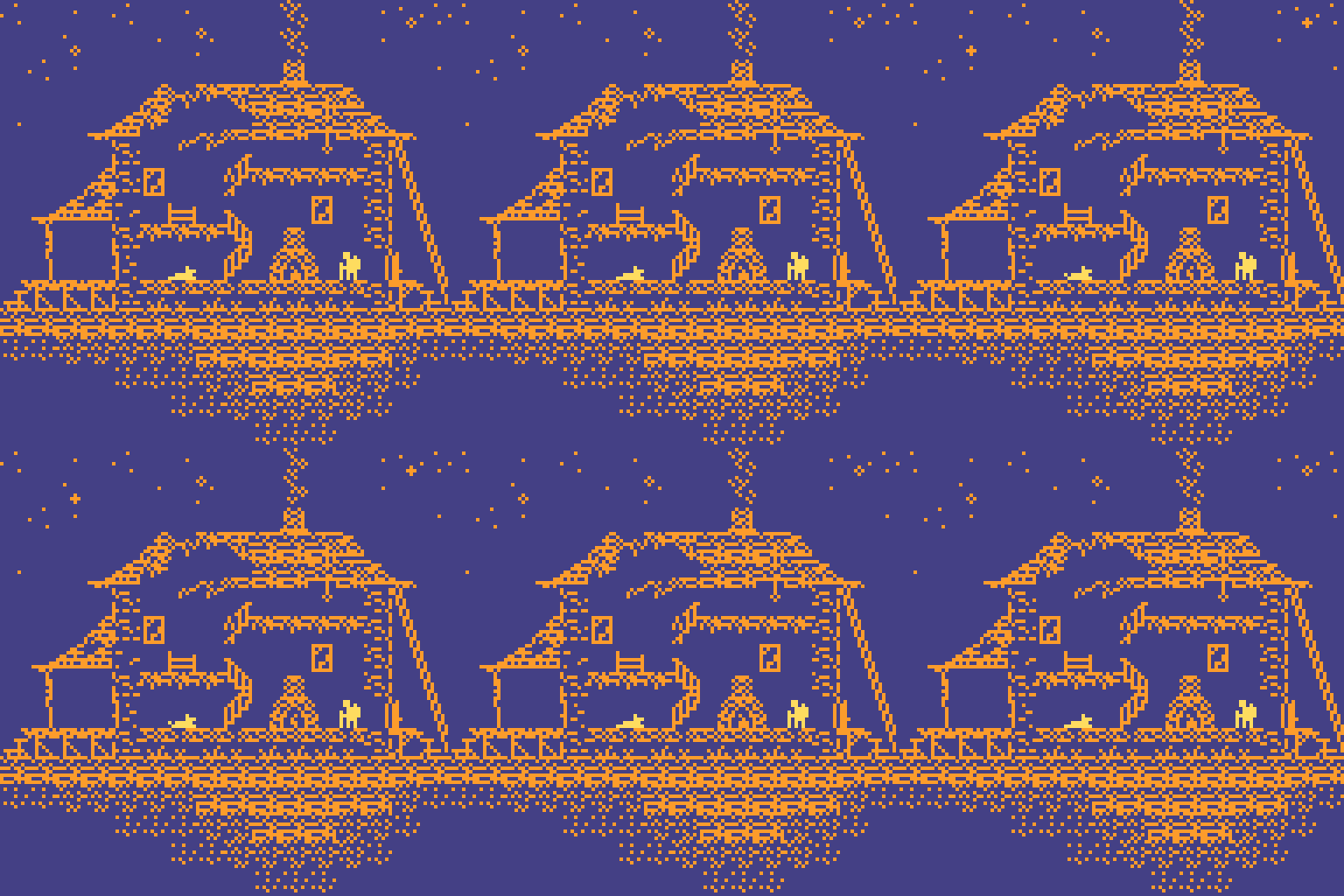
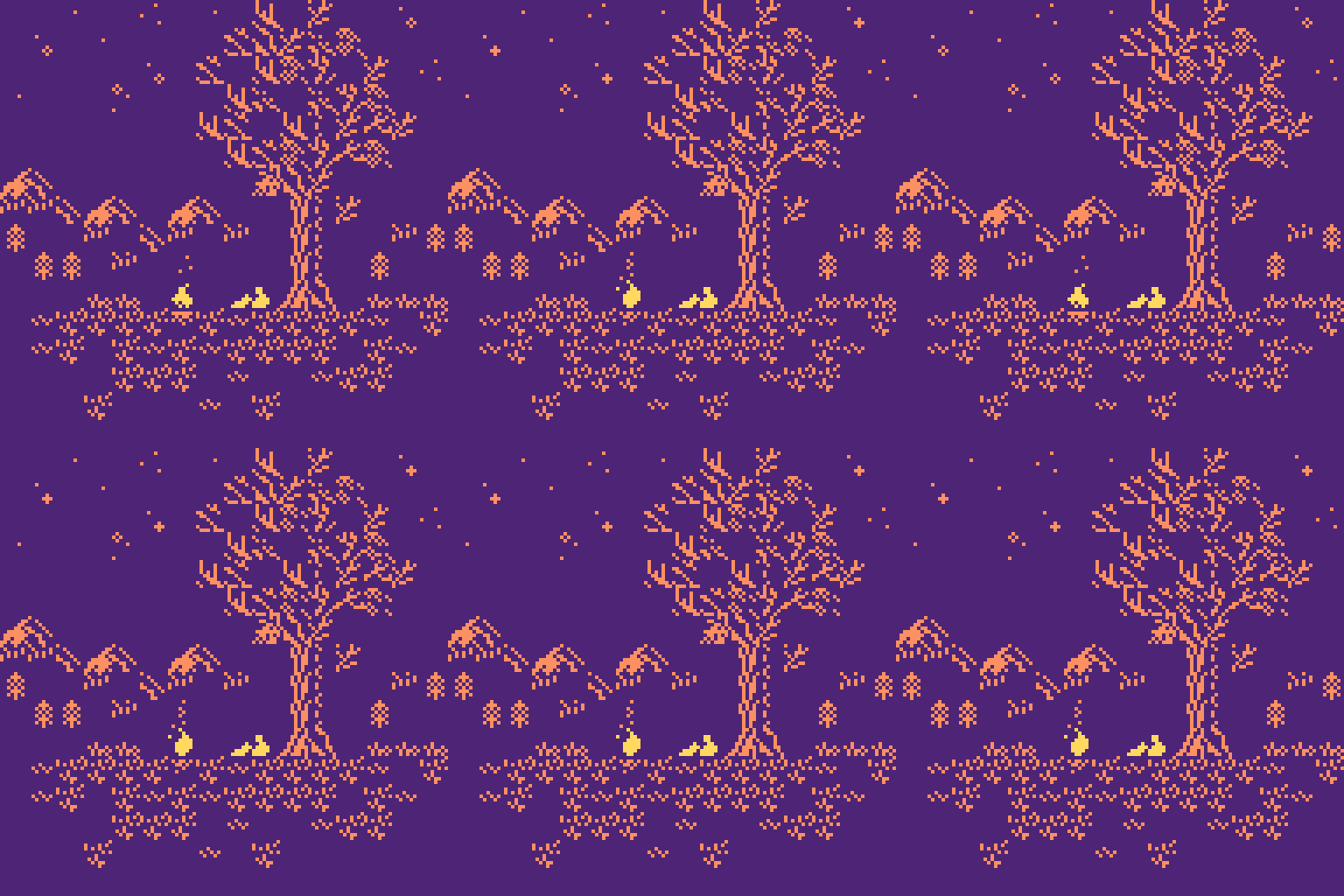
examples of color palettes in game
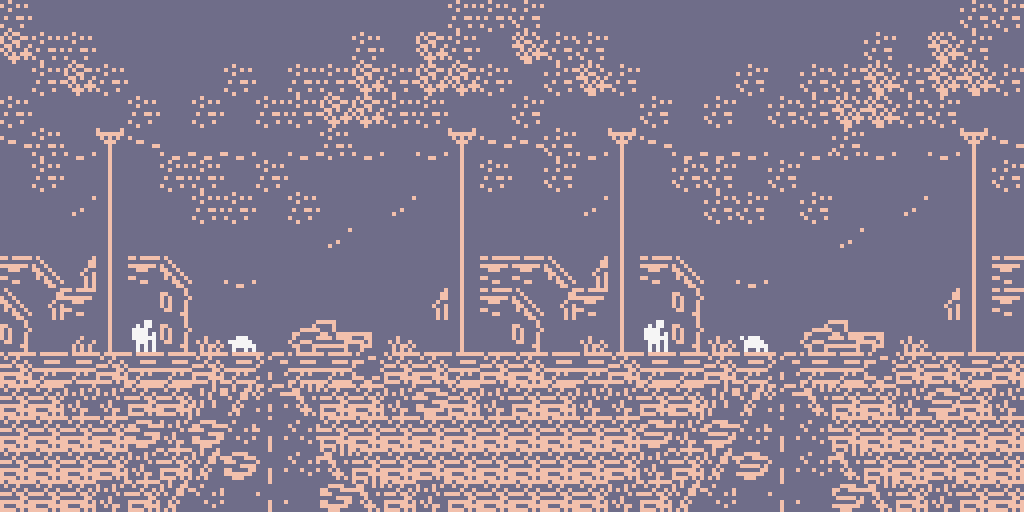
Everyone sees color differently, and I’m not sure if any of the current color palettes in the game are appropriately accessible. I am trying to learn more about the standards around accessible colors for a game of this style, as I would like to create a version with high-contrast and/or colorblind-friendly palettes.
Achievements
There are three “achievements” that the player can discover by visiting or revisiting areas in a certain order. Finding them does not trigger an in-game notification of any kind––these are more like secrets or easter eggs that I included because I like secrets in games, and I like the aesthetics of achievement icons. The achievements are listed on the game page.
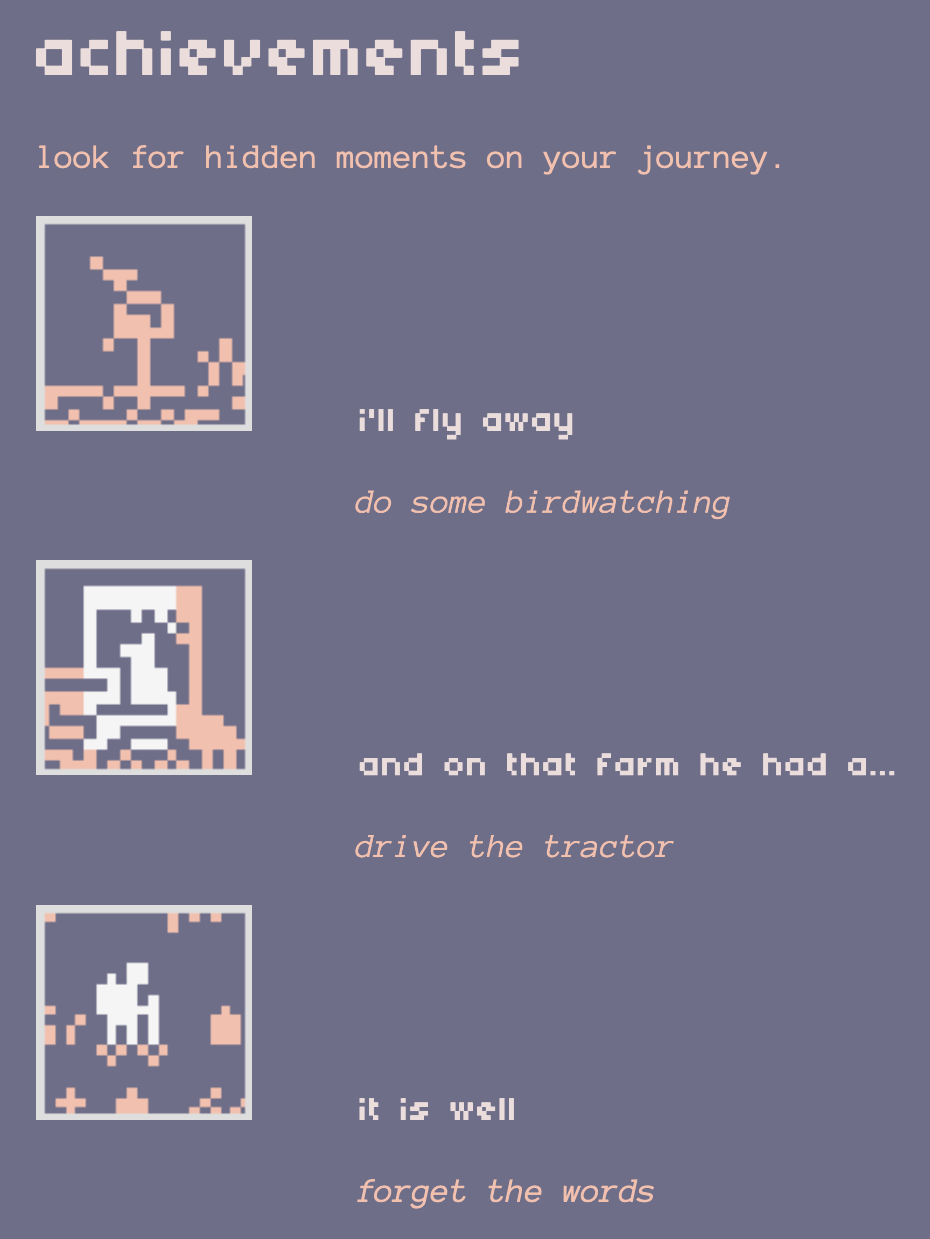
Details on how to find all achievements are included in the walkthrough.
Note: the rest of this post contains mild spoilers about events in the game. (This might be useful if you are looking for hints but don’t want to spoil everything by reading the walkthrough.)
Locations
There are three regions in the game, each with their own map view. Variations on the map occur due to weather changes over the course of the game.
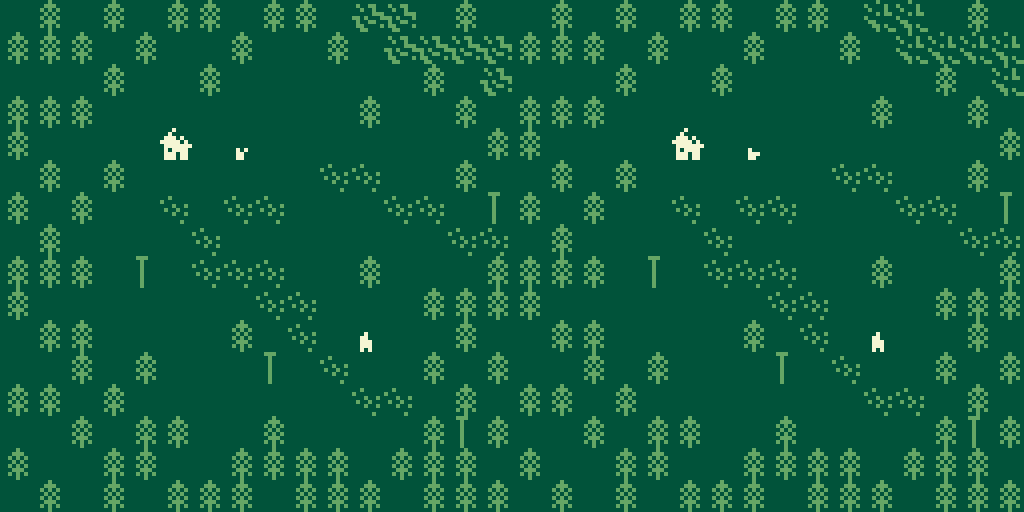
The Prelude, where you start, is basically a tutorial area. The travelers have just emerged from the forest and come upon signs of civilization: a rugged path, power lines, and an abandoned house. The house is the only location you can visit in this region, although there are scattered bits of dialogue if you wander the map.
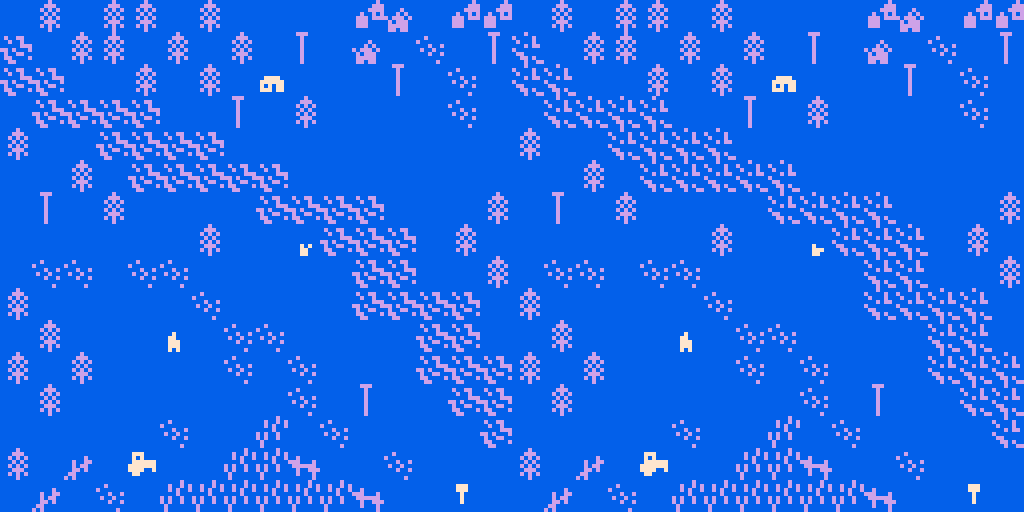
Day 1 (River) is the first major region. The path out of the woods leads to an area with farmland, more houses, and a distant town across the river. Three locations are accessible from the southern side of the river, where you begin: a barn, a farmhouse, and the river itself, which you need an item to get across. North of the river is a trailer you can explore, but the path to the town will not open until Day 2.
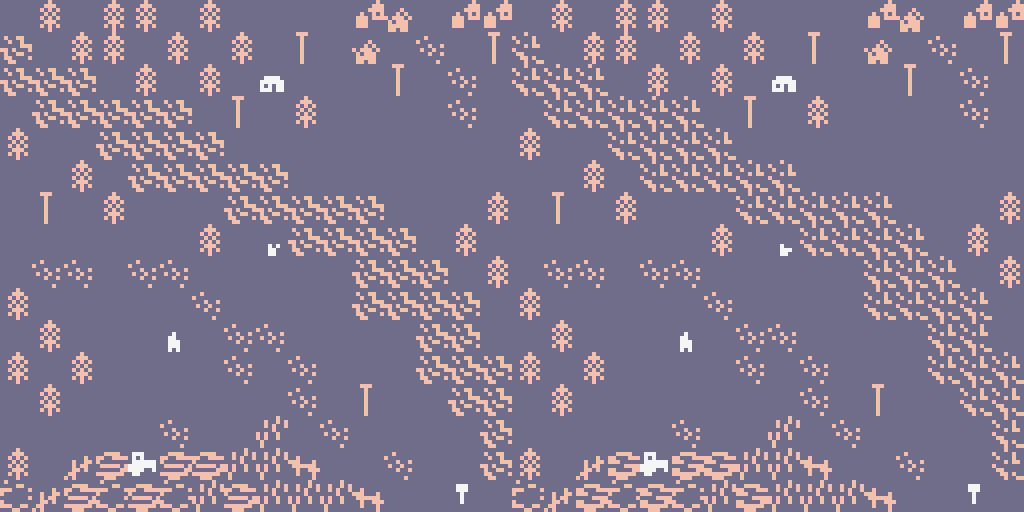
Day 2 (River) is the same region, but it has changed due to a storm overnight. The locations you visited yesterday have changed as well, and it’s worth exploring them before crossing the river or entering the town, as there are more points of no return in Day 2.
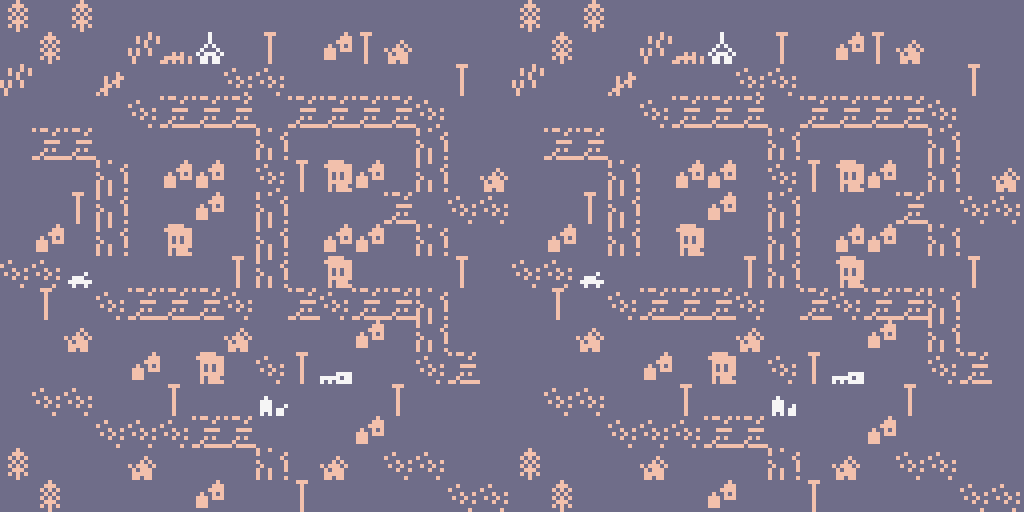
Day 2 (Town) is the second major region. The rugged path has become a crumbling road through a small town. There are only two locations that you can visit upon entering, a church or a gas station (the car sprite to the west is a decoy). There is also some character dialogue you can trigger by walking around the map. Whichever location you choose to visit first will affect the scene in the location you visit second.
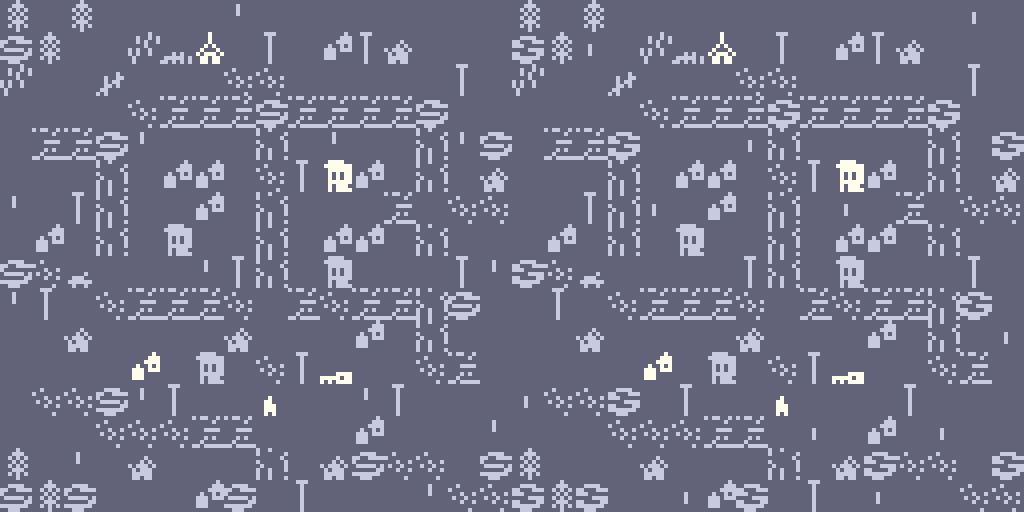
Day 2 (Storm) opens up more locations at different intervals as you search the town while a storm intensifies. It is deliberately chaotic, and leads the player toward the climactic scenes, which I will not spoil here.
Themes
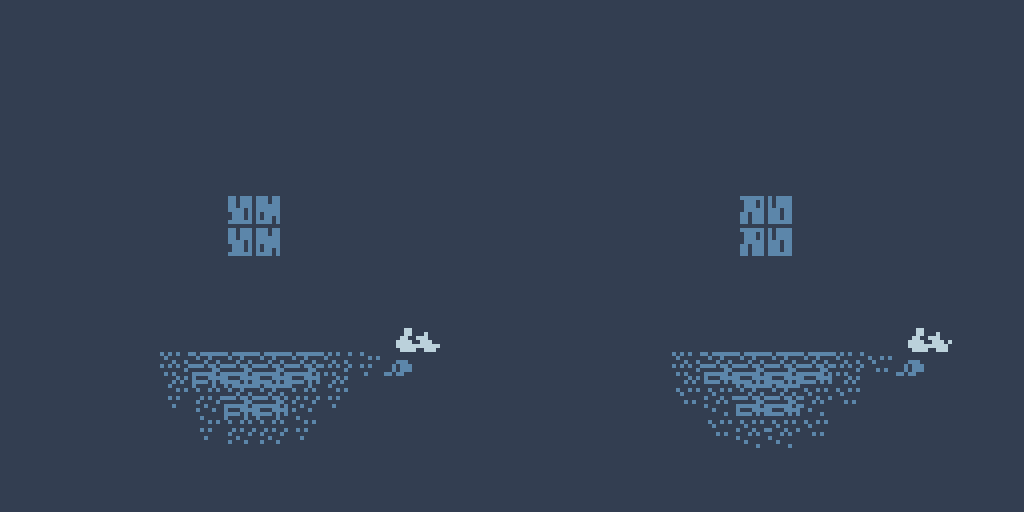
Broadly speaking, Scavenger Suite is a story about home and companionship: how these two values conflict when one takes precedence over the other, and how they harmonize in relation to one another. It is also about grief and loss. It is also a dog story.
The main characters are two displaced wanderers who have formed an inseparable bond. Their days are spent traversing a world seemingly emptied of its inhabitants, searching for anything useful to survive day by day. The Human character longs for a place to call home, in the material sense. Nostalgic references to a past life suggest that things used to be different. When they come upon an old farmhouse, Human lays claim to it and immediately begins renovations. They find a renewed sense of purpose in trying to fix up a home for themselves, making an attempt at some semblance of their past life.
The Dog, on the other hand, finds home and purpose in daily life with the Human. It is patient, faithful and resourceful, content to be anywhere as long as its counterpart is nearby. Dog helps to scavenge for the material things needed for their daily survival, but it is not preoccupied with them. When the player takes control of Dog to sniff around, run through a field, or wade into the sky’s reflection in a puddle, they are freed from the stiff and static constraints of playing as Human. While Human’s avatar is rarely animated, Dog is almost constantly wagging its tail, in motion even while standing still.
What do you do to protect your sense of home and belonging? How do you prioritize love over security, or vice versa? How do your values shift when faced with a loss of either or both? And how does freedom figure into home, security, love, companionship, longing and loss?
Memorial
If you advance all the way through the end credits of the game, you will see a pixel-art image of my dog Parker, who passed away in April 2025.
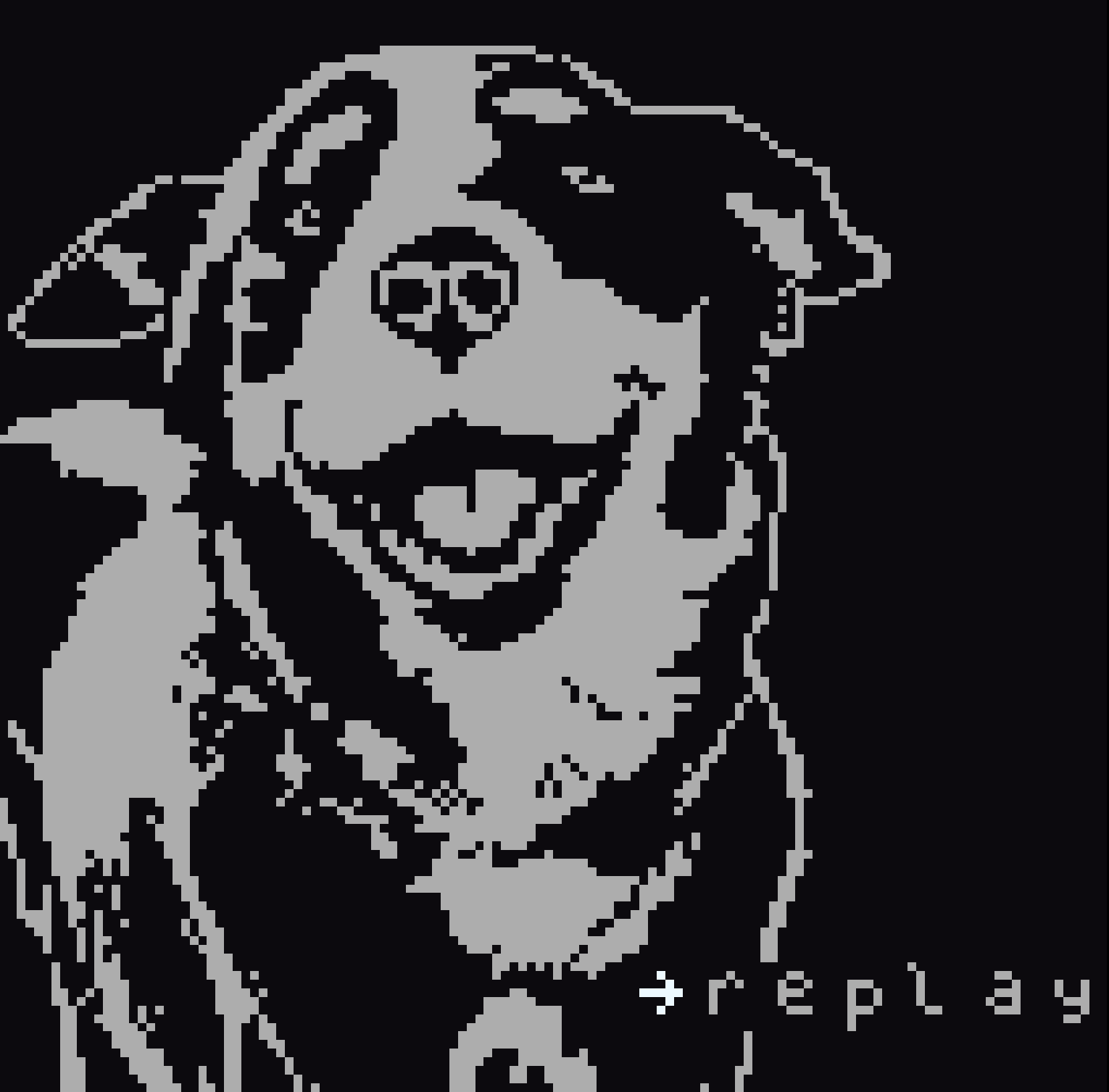
The original photo. I opened the image in GIMP, scaled to 128x128px (Bitsy's default resolution), desaturated and added a grid, then traced over with a pixel brush. I redrew each square from the grid as separate tiles in Bitsy to reconstruct the final image.click to see how I made this image
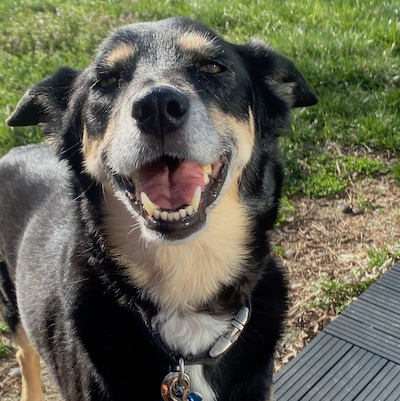
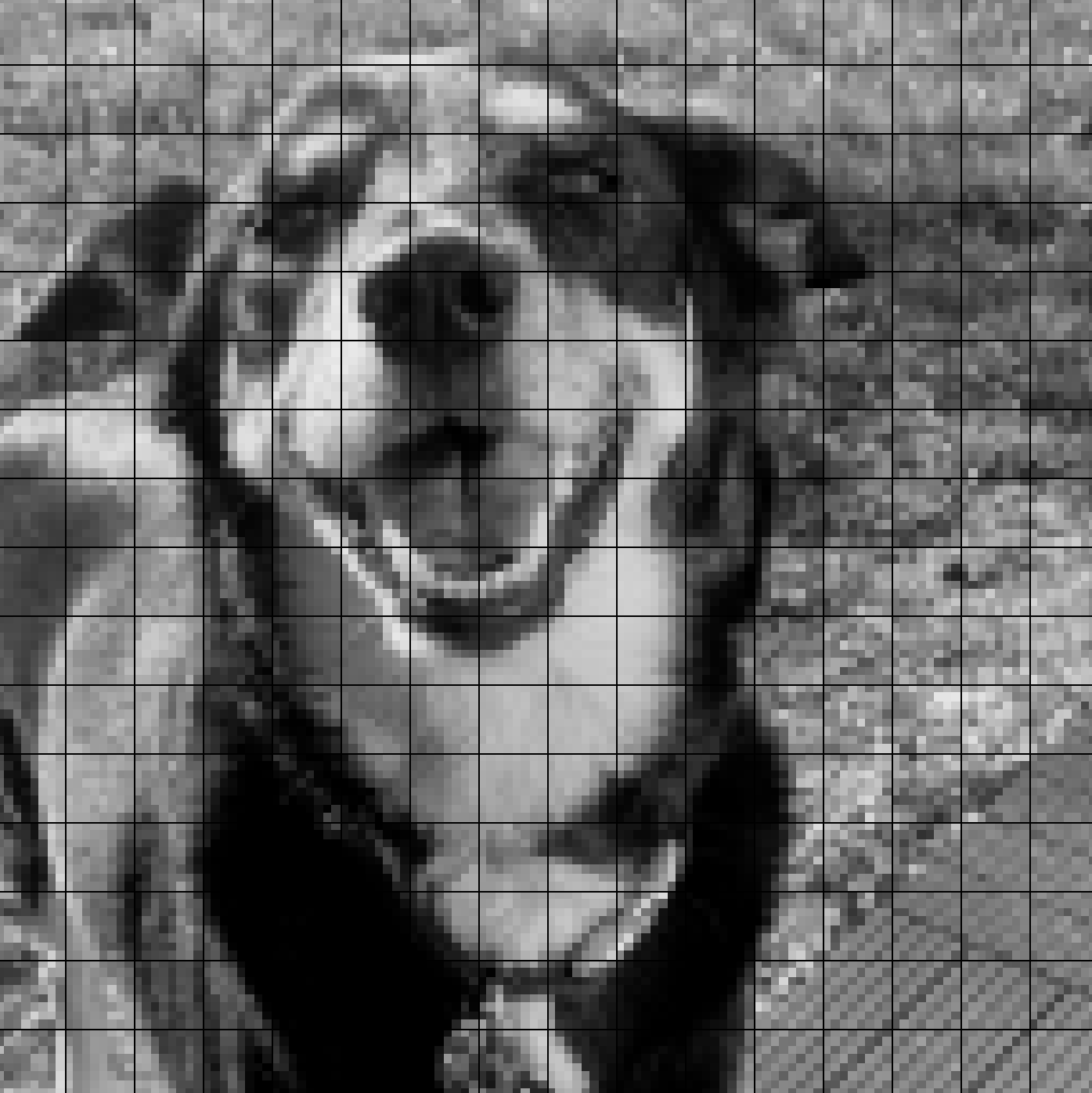
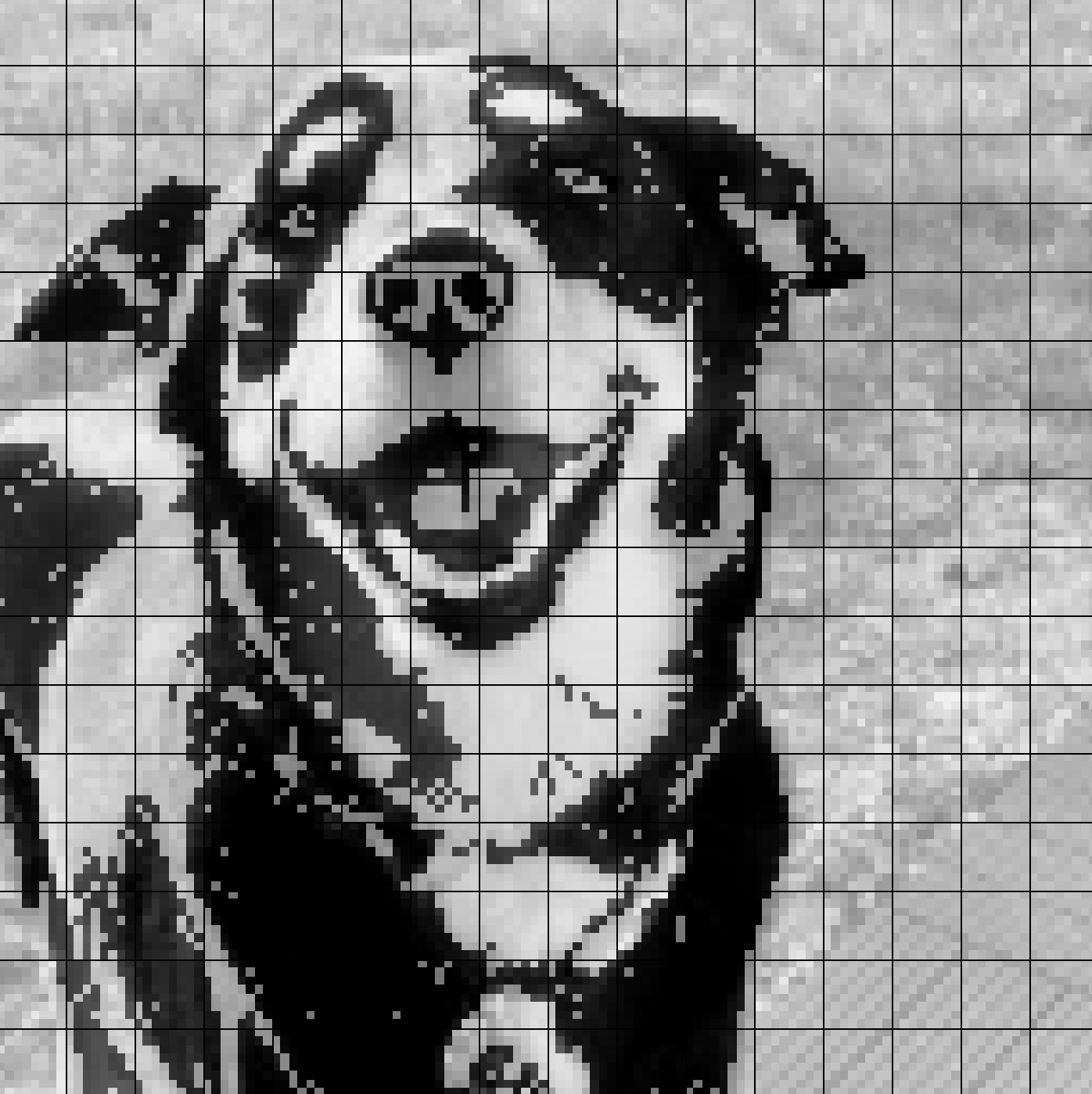
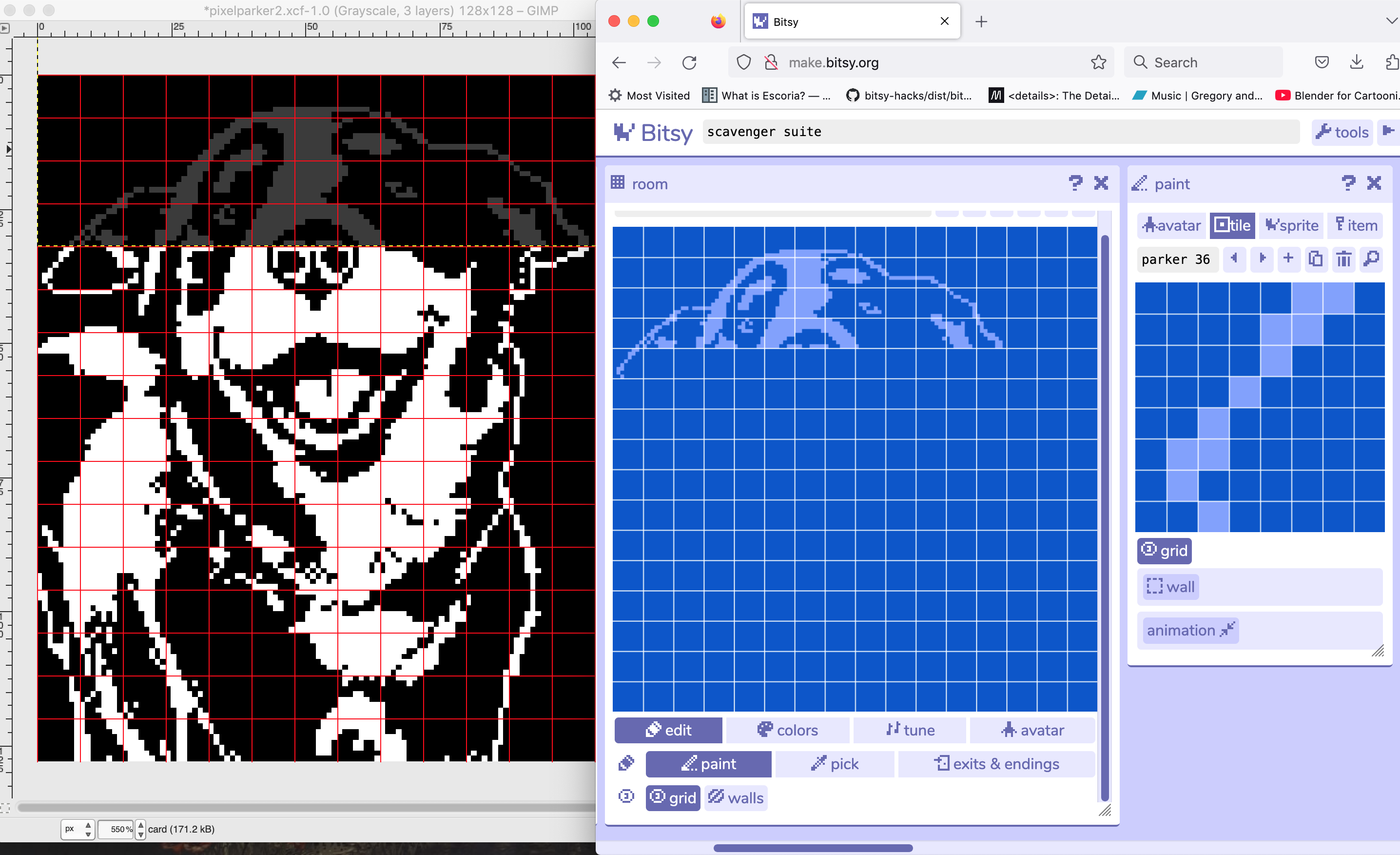
As I mentioned, grief and loss wound up being major themes in Scavenger Suite. This wasn't something I consciously set out to do, but personal experiences have a way of showing up in my work inevitably when I'm in the midst of them. I worked on the Day 1 scenes of the game while staying home with my dog, trying to preserve her quality of life. I started on Day 2 sometime after she passed, and much of the narrative was shaped in her absence. Since the game is in many ways a tribute to her memory, it felt appropriate to include an image of her at the end.
For more, see "A Note on the Ending" at the end of the walkthrough.
Outcomes
Overall, I am very happy with what I achieved and learned in making Scavenger Suite. It is my favorite game I have made so far, and certainly the one I have spent the most time on.
I am always curious to know what people think about things I make. I hope this game will get a bit more of a response than my previous two.
There may be another version of Scavenger Suite one day, if/when I learn to use a larger game engine. If so, I will use the current version as a prototype. Any adjustments to the current game will be minor.
If you have any questions or experience any issues with the game, feel free to email me at anselthebard@gmail.com. You can also find me on BlueSky and Patreon.